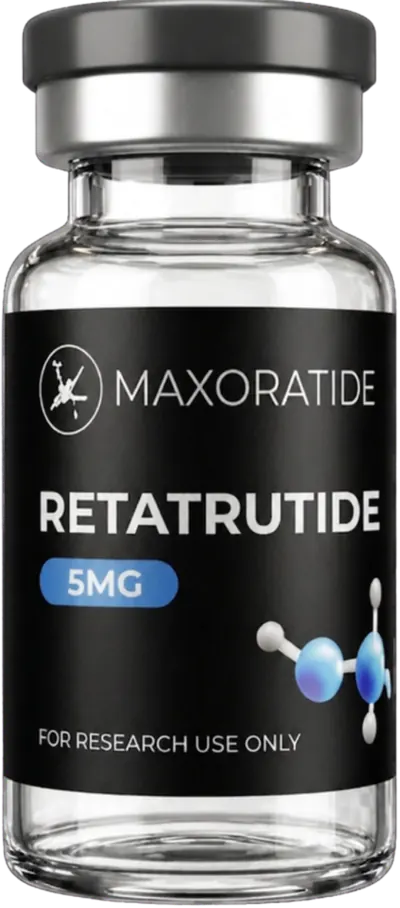
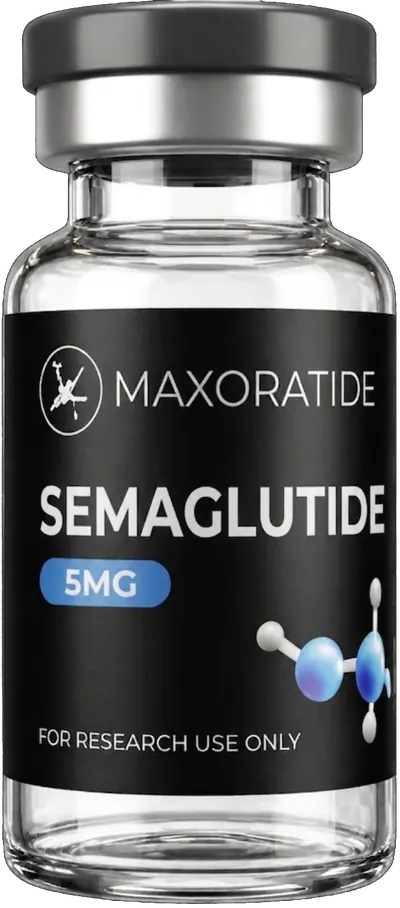
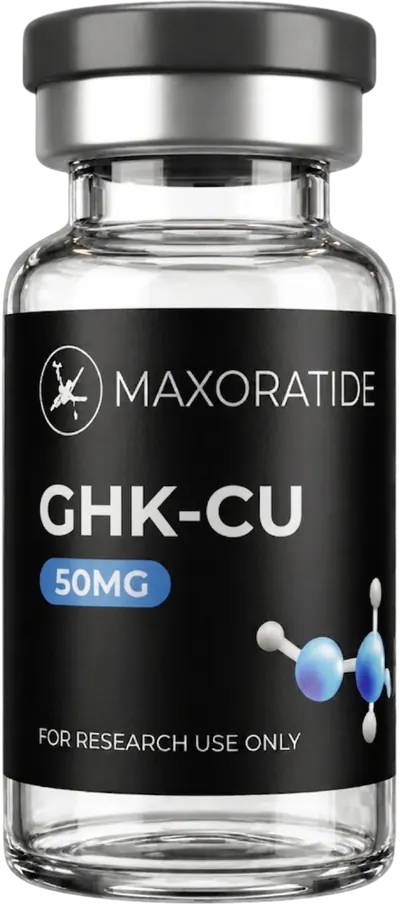
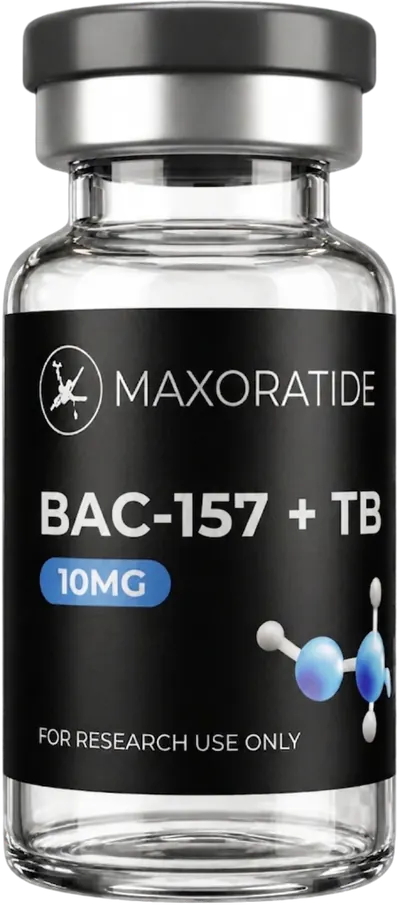
Compound Documentation
Compound Report breaks down what a Certificate of Analysis actually proves, what gets left off it, and how to check any supplier in about a minute. Plain language, sources named, nothing you have to take on trust.

Five things worth checking before you order anything in this category.
Read the breakdown →
Sourcing
A category name describes a receptor, not a product. Three listings can share a heading and hold three structurally different things.
Read the breakdown →
Purity vs quantity
Purity is a ratio. Net content is an amount. A container can pass one test and stay completely silent on the other.
Read the breakdown →
Supplier selection
The claim is free. The documentation is not. Six questions will tell you which kind of supplier you are dealing with in about five minutes.
Read the breakdown →
Compound quality
It comes from one instrument, run one way. Understand what the detector is looking at and you know exactly where the number stops being useful.
Read the breakdown →
Handling
A certificate describes the moment of testing and nothing after it. Temperature, light, moisture and reconstitution all happen later.
Read the breakdown →Independent laboratory analysis is conducted for every compound batch, with documentation maintained for transparency and traceability. Not a paid extra, not sent after the order.
Browse the research catalog →Researchers can access verification reports directly through the Maxoratide COA system. Independent testing, batch documentation, and purity reported at or above 99%.
Browse the research catalog →Research Use Only: Not for human or animal use of any kind. All products are supplied solely for in-vitro laboratory research and are not for human or veterinary use, consumption, administration, compounding, clinical treatment, diagnostic procedures, or personal experimentation.
Compound Report publishes paid promotional content on behalf of Maxoratide. © 2026 Compound Report.