Sourcing
They All Sit Under The Same Heading. Almost Nobody Checks What Is Actually In The Container.
A category name is not a product name. Three listings can share a heading and hold three structurally different things. The certificate is the only place those two facts get connected, and most listings never publish one.
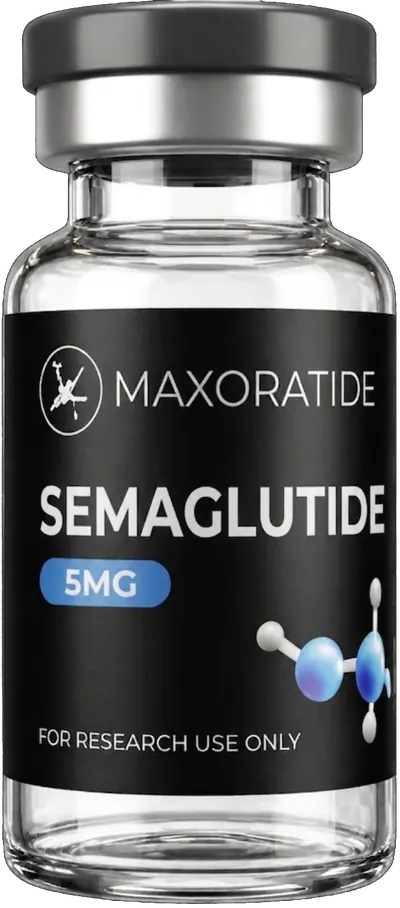 See the catalog →
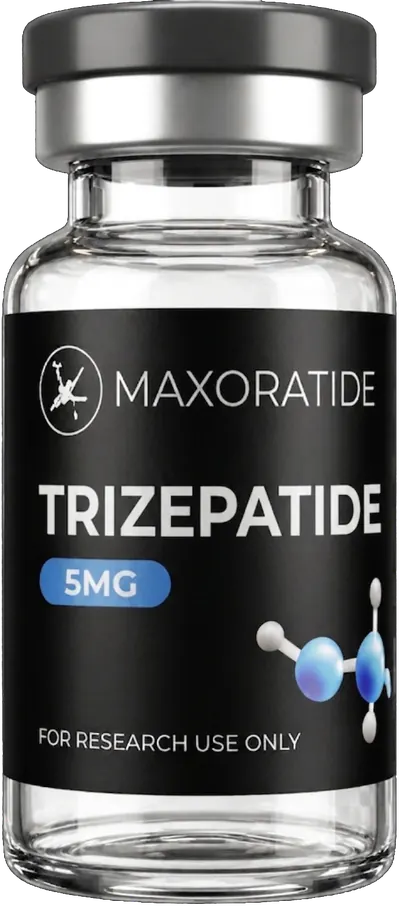 See the catalog →
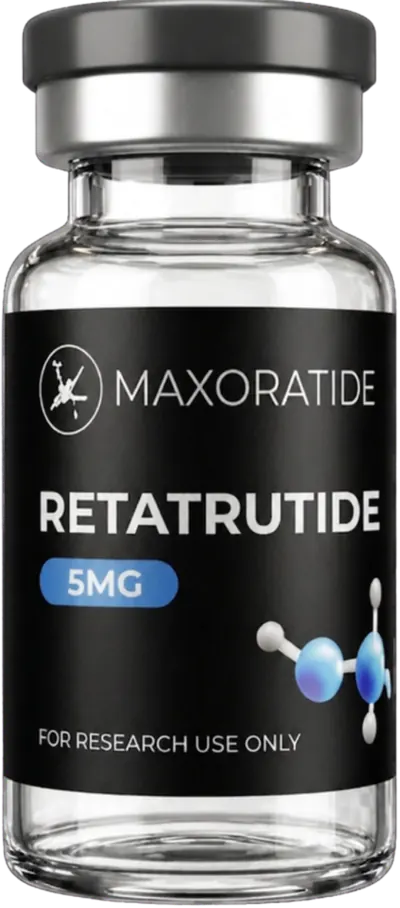 See the catalog →
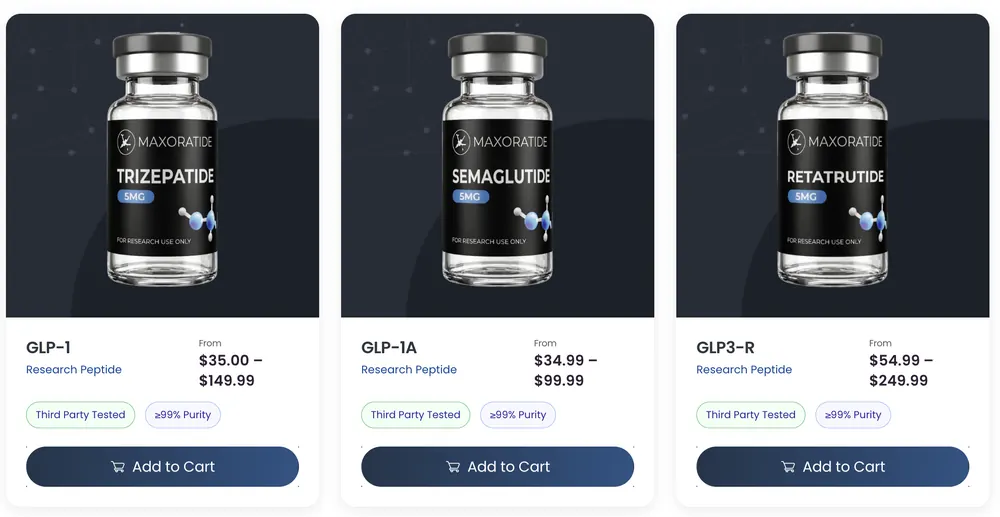
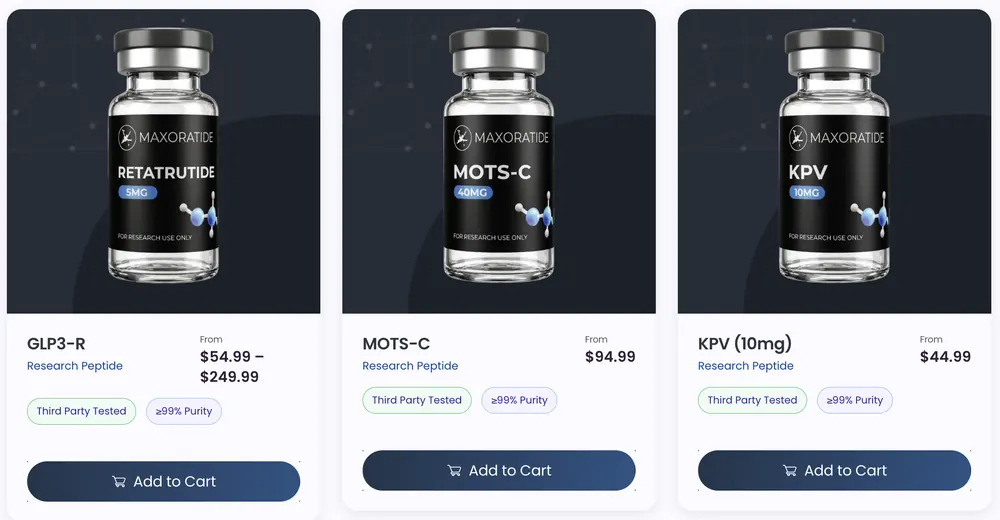
Three listings from one catalog. Same heading, three different structures, three separate bodies of documentation behind them.
Shopping in this category looks simple from the outside. You find a heading you recognise, you compare a few prices, you pick one.
The trouble is that the heading is doing far less work than it appears to.
A category name describes a receptor. It tells you what a molecule binds to. The GLP-1 receptor is a receptor, not a product, and describing something as acting on it narrows the field enormously without identifying a single thing.
Two items under the same heading can be structurally different, made differently, and supported by entirely separate documentation. Some act on one receptor. Some act on two. Some act on three.
So the first useful question on a listing page is not what it costs. It is what is in the container, and who confirmed it.
A Certificate of Analysis is provided for every Maxoratide product.
Independent laboratory analysis, conducted per batch, with purity documented at or above 99%.
Browse the research catalog →1The heading describes a target, not a molecule
Receptor names are useful shorthand and they are genuinely informative. They are just far less specific than most people assume.
Saying something acts on the GLP-1 receptor is a statement about a mechanism. It is not a statement about structure, manufacture, strength, or anything a laboratory would recognise as an identification.
And several of the best known items in this category are not single-receptor at all, which is where the differences start to widen.
A heading tells you the target. It does not tell you what you are buying.
2One receptor, two, or three
Here is the structural difference between the three listings pictured above, described by what they act on rather than by what they are called.
Note. Receptor profiles only. Nothing in this table is a strength, a comparison, or a statement about what any product does. All items shown are supplied for in-vitro laboratory research.
One acts on a single receptor. One acts on two. One acts on three.
That is not a marketing distinction, it is the central design difference between them. And none of it is visible from a heading on a listing page.
Same heading, three different structures. The catalog page cannot show you that. The document can.
 Browse the research catalog →
3Identity is a separate test from purity
This is the part that catches people out, and it applies to everything in this category rather than to any one heading.
Purity is measured by HPLC. It asks one question: of the material in this container, what share of it is the intended structure? It comes back as a percentage.
Identity is confirmed by mass spectrometry. It asks a completely different question: is this the structure on the label at all?
A container can return a high purity figure for the wrong contents. The percentage does not know what the label says. Only the identity test connects the two, and a certificate printing purity alone has not run it.
Purity tells you how clean it is. Identity tells you what it is. You want both, on one document, for your batch.
 Browse the research catalog →
4How to check any listing in under a minute
Four things. None of them ask you to trust anyone.
- Find an identity line on the certificate. Mass spectrometry, confirming the contents match the label.
- Find a purity figure next to it. HPLC, reported as a percentage.
- Check the batch reference. The document should belong to the batch being shipped to you, not to the listing in general.
- Check who signed it. An independent laboratory, with a date, not the seller.
Four checks. Under a minute. It is the fastest way there is to separate suppliers in this category.
| What you are checking | Maxoratide | Typical listing |
|---|---|---|
| Certificate of Analysis | Provided for every product | On request, sometimes |
| Independent testing | Third party laboratory | In-house or unstated |
| Identity confirmation | Confirmed per batch | Often absent |
| Purity reported | At or above 99% | Claimed, rarely documented |
| Batch documentation | Traceable batch records | Listing level, reused |
Know what is in the container before you order it.
Every batch documented, independently tested, with free shipping on orders over $200.
Browse the research catalog →
Comments
I had been treating the whole heading as one thing. Did not register that items under it can act on one receptor or on three.
Same. Once you see the receptor profiles side by side it is obviously not one category.
Went back and checked three listings I had saved. Two of them had no certificate available anywhere on the page.
The purity versus identity distinction is the useful part here. I genuinely thought one number covered both.
It does not, and once you know that you cannot unsee it on a certificate that prints one line.
Checking the batch reference against the document was the habit I picked up from this. Takes seconds.