Compound Quality
The Batch Passed Every Test. Four Things Can Still Ruin The Vial After That.
A certificate describes the moment of testing and nothing after it. Between the laboratory and the bench there are four ordinary, unglamorous ways a documented compound quietly stops being what the document says.
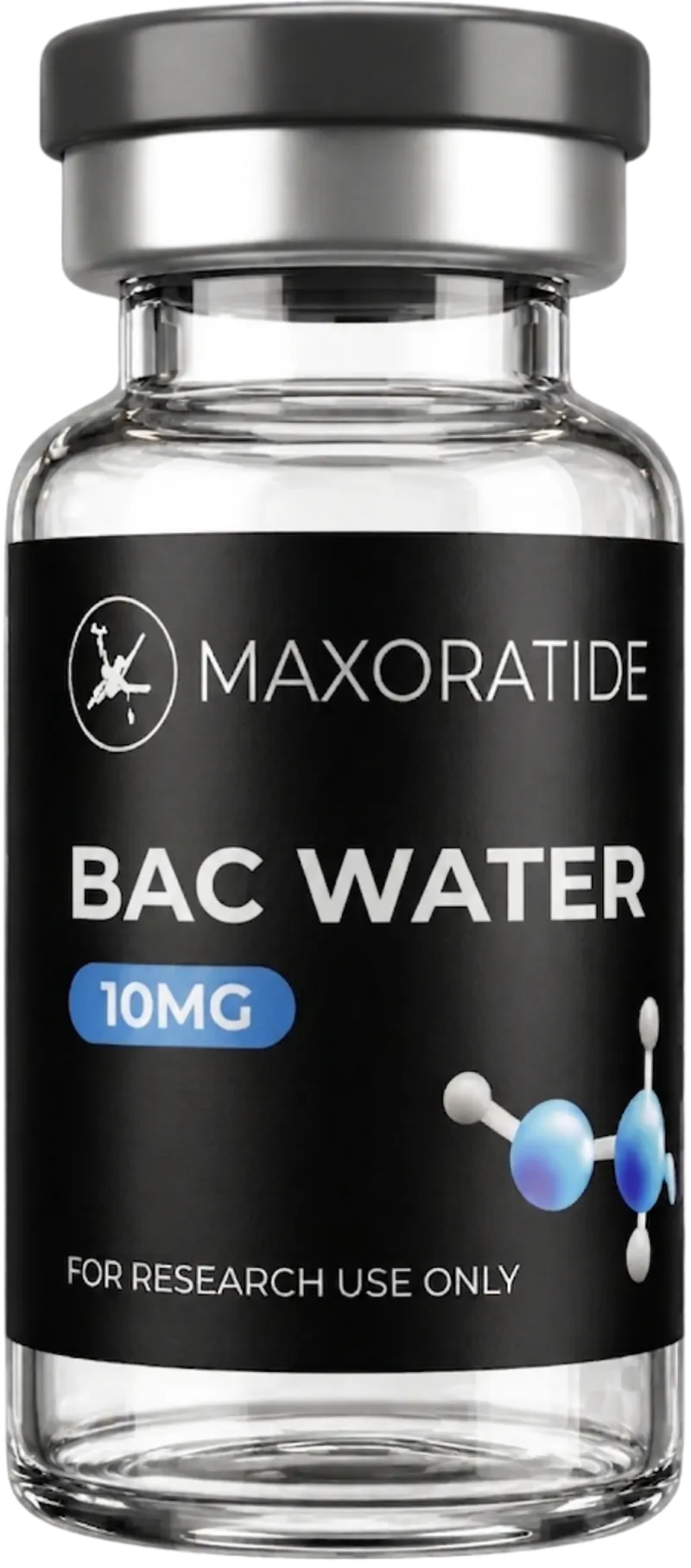 See it in the catalog →
Most of the argument in this category is about what happens before the vial ships. Purity, identity, who signed the certificate. All of it matters and all of it is worth checking.
But a Certificate of Analysis is a photograph. It records the condition of a batch at a moment in a laboratory. It cannot describe a warehouse, a courier, a desk drawer, or the twenty minutes a vial spent on a windowsill.
Four things happen after testing. Every one of them is boring. Every one of them is avoidable. Together they account for most of the gap between a good supplier and a good result.
Monitored -86°C storage before dispatch.
Compounds are packaged using controlled handling procedures, with distribution following secure fulfillment protocols.
Browse the research catalog →1Temperature, and the part everyone gets wrong
Lyophilized material is stable in the cold and progressively less stable as it warms. That much is well known, and it is printed directly on the vial label: store at -20°C.
The part that gets missed is what happens either side of that instruction.
Before dispatch, storage temperature is the supplier's responsibility and most of them simply do not publish it. Maxoratide states monitored -86°C storage, which is a specific, checkable claim rather than the usual "stored appropriately".
After delivery, it is yours. A vial that sits in a hallway for a weekend has spent a weekend at room temperature regardless of what the box said.
Ask what temperature it was held at before it shipped. Most listings cannot answer, which is itself an answer.
2Light
The instruction on the label is protect from light, and it is there for a reason rather than as decoration.
Several amino acid residues are photosensitive. Sustained exposure drives degradation that no amount of correct refrigeration undoes, and the powder often looks completely unchanged while it happens.
This is the failure mode with the least visible evidence. Nothing turns a colour. Nothing clumps. The cake looks exactly as it did.
Amber glass and an opaque box are not packaging theatre. They are the instruction on the label being followed.
 Browse the research catalog →
3Moisture, and the cold vial mistake
Lyophilized powder is hygroscopic. It pulls water out of the surrounding air, which is precisely why it is sealed the way it is.
Here is the specific mistake, and it is extremely common.
A vial comes out of the freezer. It gets opened immediately, while the glass and the powder are still well below room temperature. Ambient humidity meets a cold surface and condenses onto it. Water goes into the vial that was never meant to be in the vial.
The fix costs nothing: let a cold vial come up to room temperature fully, still sealed, before opening it.
Why it matters. Absorbed moisture adds weight that is not active material, which is the same mechanism that separates net content from purity. Sources: Bachem analytical quality control guidance; Iris Biotech technical note on net content and purity. Accessed 12 September 2026.
Equilibrate before opening. It is free, it takes fifteen minutes, and almost nobody does it.
Independent analysis per batch, then controlled handling after it.
Testing confirms compound identity and quality parameters. Distribution follows secure fulfillment and documentation protocols.
Browse the research catalog →4Reconstitution, and the diluent nobody budgets for
The final step is the one most often decided on price, which is odd, because it is the step that converts a stable powder into an unstable solution.
Two things matter.
What you reconstitute with. Bacteriostatic water contains benzyl alcohol as a preservative, which is what allows a solution to be drawn from more than once. Sterile water contains no preservative at all. They are not interchangeable and the choice changes how long the solution stays usable.
How many times it is frozen and thawed. Material in solution does not enjoy repeated freeze-thaw cycles. Each one is an opportunity for loss. The quantity of usable compound drifts downward every time, and again, nothing about the vial looks different.
A documented compound reconstituted carelessly is an undocumented compound. The certificate stopped applying the moment the powder dissolved.
 Browse the research catalog →
5The handling checklist
Five habits. None of them cost anything.
- Ask what temperature it was stored at before dispatch. A supplier who publishes a figure has thought about it.
- Keep it dark. The label says protect from light and it means it.
- Let a cold vial reach room temperature sealed before you open it.
- Choose the diluent deliberately. Bacteriostatic and sterile water are different products with different behaviour.
- Minimise freeze-thaw cycles once anything is in solution.
| Between lab and bench | Maxoratide | Typical supplier |
|---|---|---|
| Storage before dispatch | Monitored -86°C | Not published |
| Packaging | Controlled handling procedures | Unstated |
| Dispatch speed | Same day, ships daily | Batched, a few days |
| Storage guidance on the vial | -20°C, protect from light | Often absent |
| Diluent available | Listed in the same catalog | Sourced separately |
The certificate is the start of the chain, not the end of it.
Monitored storage, controlled handling, same-day dispatch, and free shipping on orders over $200.
Browse the research catalog →
Comments
I have been opening vials straight out of the freezer for two years. Had never once considered condensation.
Same, and it is such a trivial fix. Fifteen minutes sealed on the bench.
The framing that a COA is a photograph rather than a guarantee is the most useful sentence I have read on this.
Bacteriostatic versus sterile water being treated as the same thing is rampant. They really are not.
Asked two suppliers what temperature they store at before shipping. One ignored it, one said cold. That told me plenty.
A published number versus the word cold is exactly the distinction. One is checkable.